Stopping Overgrowth Before It Reaches Structures
Tree Trimming in Spring for branches encroaching on rooflines, powerlines, and fences
Branches growing into roof edges, wrapping around fence posts, or sagging near powerlines create ongoing risks that worsen with each growing season. JSR Tree Service provides tree trimming across residential and commercial properties in Spring, cutting back growth before it causes shingle damage, electrical hazards, or blocked sightlines. The crew evaluates which branches to remove based on their trajectory, weight distribution, and proximity to structures, leaving the tree's shape intact while eliminating future contact points.
Trimming removes the outer sections of branches that extend beyond safe clearance zones, using cuts that encourage outward rather than vertical regrowth. The work prevents branches from scraping roofs during windstorms, reduces shade that keeps moisture trapped against siding, and opens up areas where sunlight has been blocked from lawns or garden beds. Tree types common in Southeast Texas—like live oaks and pines—respond differently to trimming, with cuts timed to avoid stress during peak growing periods.
Arrange a property walkthrough to identify which trees need trimming and establish a seasonal maintenance schedule.
What Proper Trimming Accomplishes for Your Property
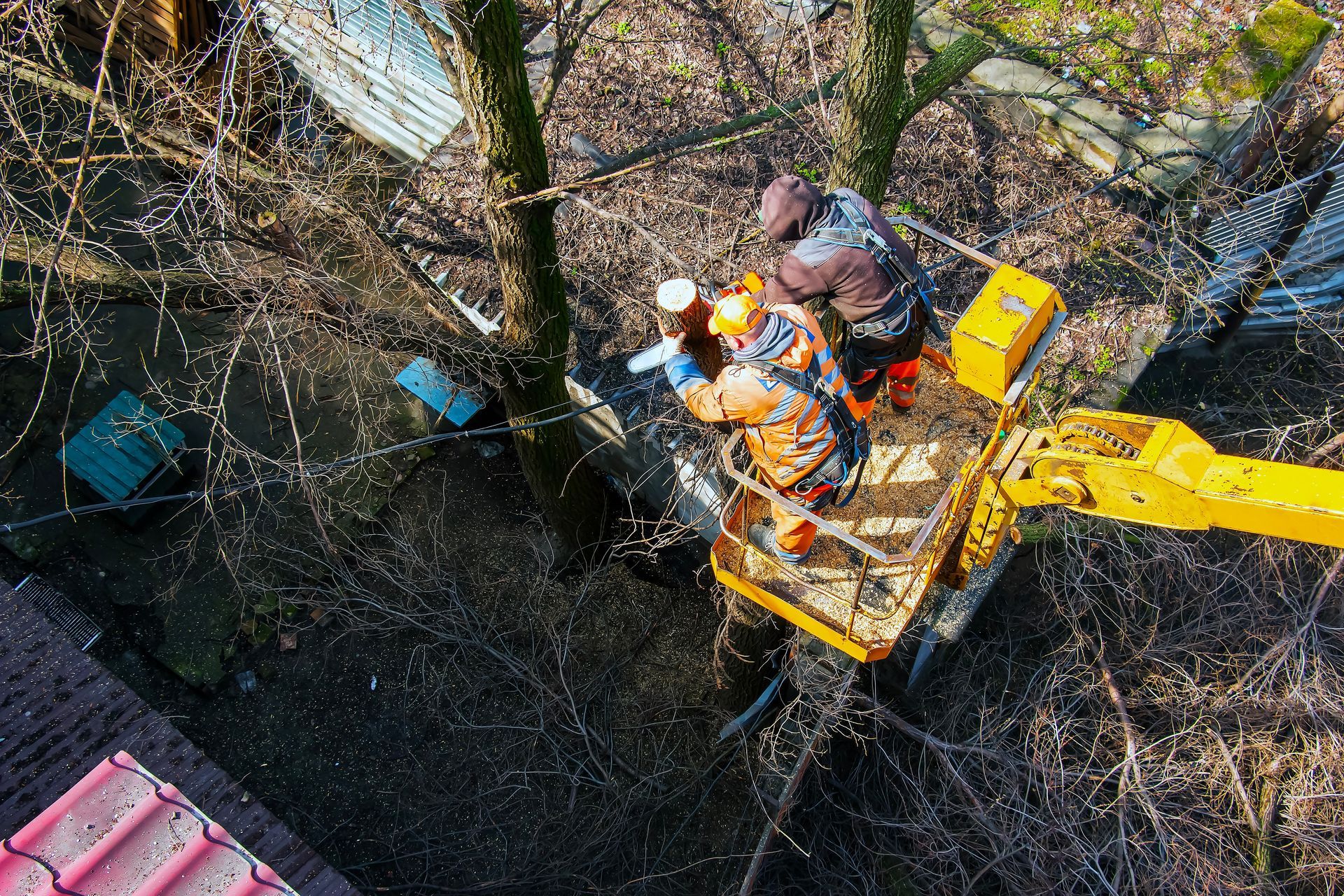
The process involves selecting branches based on their angle, length, and distance from structures, then making cuts at points that won't leave stubs or strip bark. Crews work from the outer canopy inward, removing sections that overhang roofs first, then addressing growth near fences and walkways. Each cut is angled to shed water and promote callus formation, reducing the chance of disease entering through the wound.
Once trimming is finished, you'll see clear space between branches and your roofline, eliminating the scraping and debris accumulation that leads to damaged shingles. Sunlight reaches areas that were previously shaded all day, improving turf growth and drying out damp zones near foundations. The tree's canopy looks balanced rather than lopsided, and the risk of branches snapping during storms decreases as weight is redistributed.
Trimming focuses on clearance and safety rather than tree health, which is addressed through pruning. The service does not include treating disease or removing internal deadwood—those concerns require separate pruning work to prevent further decline.
Answers to Frequent Service Questions
Homeowners and property managers typically want to know about timing, what gets removed, and how often trimming should be repeated.
How much of the tree gets cut back during trimming?
Only the sections extending into clearance zones are removed, typically the outer 15 to 30 percent of branch length, leaving the tree's overall structure and health intact.
What time of year is best for trimming trees in this area?
Late winter before spring growth or late fall after leaves drop works best for most species, avoiding the stress of summer heat and the active growing period in early spring.
Will trimming stop branches from growing back toward my roof?
Proper cuts encourage lateral growth away from the structure, but trees naturally grow toward sunlight, so trimming every two to three years maintains clearance as the canopy expands.
What happens to the branches after they're cut?
All trimmed branches and debris are hauled off immediately, leaving your property clear without piles of wood or leaves to manage.
Does trimming harm the tree or stunt its growth?
When done correctly with clean cuts at branch collars, trimming does not damage the tree and often improves air circulation and light penetration, supporting healthier growth patterns.
JSR Tree Service tailors trimming plans to the specific tree species on your property and their growth rates. Contact the team to schedule seasonal maintenance that keeps clearance zones open year-round.