Fence Lines Cleared of Overgrowth
Fence Upkeep in Spring for properties where vegetation obscures boundaries and damages fencing
Heavy vegetation growth along fence lines creates pressure on posts and panels, shortening the lifespan of wood and metal fencing materials. JSR Tree Service removes brush, vines, and overgrown plant material from fence perimeters across Spring properties in Montgomery and Harris County. This region's humid climate accelerates plant growth, particularly invasive species like privet and Virginia creeper that attach to fencing and pull it out of alignment.
The work involves cutting back vegetation at the fence line, removing root systems that push against posts, and clearing debris that traps moisture against wood surfaces. This process exposes the full fence structure for inspection and prevents ongoing damage from plant encroachment.
Arrange an on-site consultation to review fence line conditions and vegetation removal requirements.
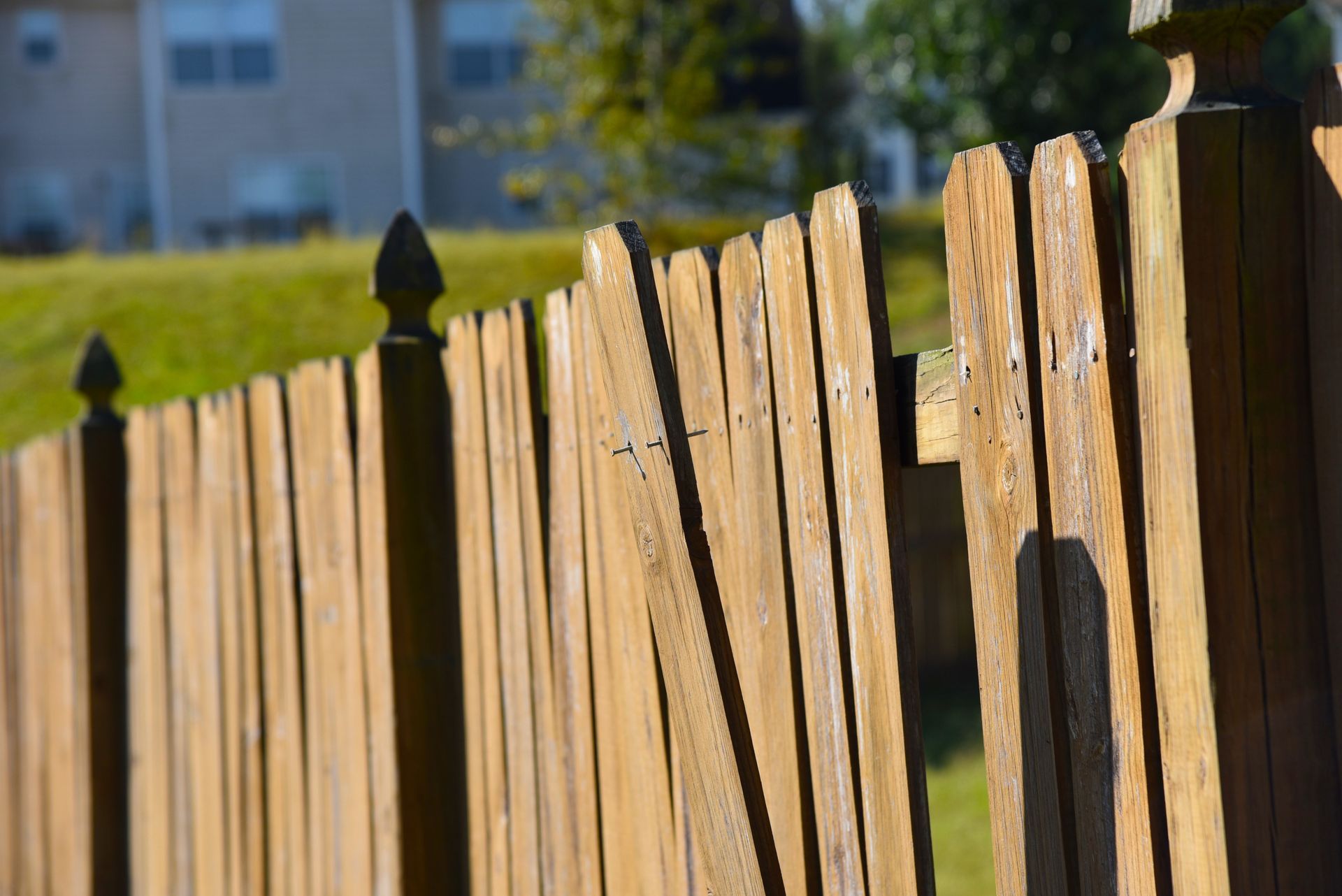
How Fence Line Clearing Prevents Structural Damage
Clearing starts with cutting woody growth and vines at ground level, then removing root masses that have grown against or under fence posts. Vines like trumpet creeper and poison ivy attach to fencing with aerial rootlets that hold moisture against the material, accelerating rot in wood and corrosion in metal. Removing these plants stops the deterioration process and allows the fence to dry properly between rain events.
Once the fence line is cleared, you can see the full length of your property boundary without visual obstruction. Posts that were leaning due to root pressure often stabilize once the vegetation is removed, and panels that were hidden under overgrowth become accessible for repair or replacement. The cleared area also makes routine inspection easier, so you notice damage or wear before it requires extensive fixes.
This service addresses vegetation removal but does not include fence repairs or replacement of damaged components. If clearing reveals structural issues like rotted posts or broken panels, those repairs are handled separately after the vegetation is gone and the full extent of damage is visible.
Common Questions About This Service
Property owners in Spring typically ask these questions before scheduling fence line clearing.
How often does fence line clearing need to happen?
Most properties in this area require clearing every one to two years depending on how aggressively vegetation grows along the fence. Properties bordering wooded areas or with invasive species present may need more frequent maintenance.
What types of vegetation cause the most fence damage?
Woody vines like Virginia creeper and wisteria create the most structural problems because they grow thick stems that push posts out of plumb and hold moisture against wood. Fast-growing brush like privet also crowds fence lines and makes inspection difficult.
Will clearing damage my existing fence?
Vegetation is removed carefully to avoid pulling on fence components, though fences already weakened by years of plant pressure may show damage once the overgrowth is cleared. This reveals problems that were hidden rather than creating new ones.
What happens to the debris after clearing?
Removed vegetation is hauled away from the property as part of the service. Larger woody material is cut into manageable sections for disposal, and smaller brush is gathered and removed to leave the fence line clear.
Can I use the cleared area along my fence?
Once the fence line is cleared, the area becomes accessible for mowing, additional landscaping, or simply maintaining a clear boundary. Keeping the area clear after the initial service prevents regrowth from restarting the same damage cycle.
JSR Tree Service handles fence line upkeep for both residential and commercial properties where vegetation impacts property boundaries and fence condition. Request a detailed estimate based on your current fence line condition and the extent of overgrowth present.