Preventing Property Damage From Failing Trees
Tree Removal in Spring for storm-damaged or structurally compromised trees threatening structures
Storm systems moving through Montgomery and Harris County frequently leave trees with compromised root systems, split trunks, or large sections that no longer support their own weight. JSR Tree Service handles tree removal across residential and commercial properties in Spring when trees become hazards rather than assets. The work involves rigging techniques that control how each section of the tree comes down, preventing damage to fences, rooflines, or neighboring landscapes even when working in yards with limited access.
Removal addresses trees that cannot be saved through pruning or trimming—those with decay extending through the trunk, root failure from saturated soil, or structural damage from lightning or wind shear. The process begins with evaluating how the tree is weighted, where weak points exist, and what path each section will take as it's lowered. Equipment selection depends on proximity to structures, with cranes and rigging systems used when trees overhang roofs or stand close to powerlines.
Schedule an on-site inspection to assess tree stability and determine the safest removal approach for your property.
What Happens During a Controlled Tree Removal
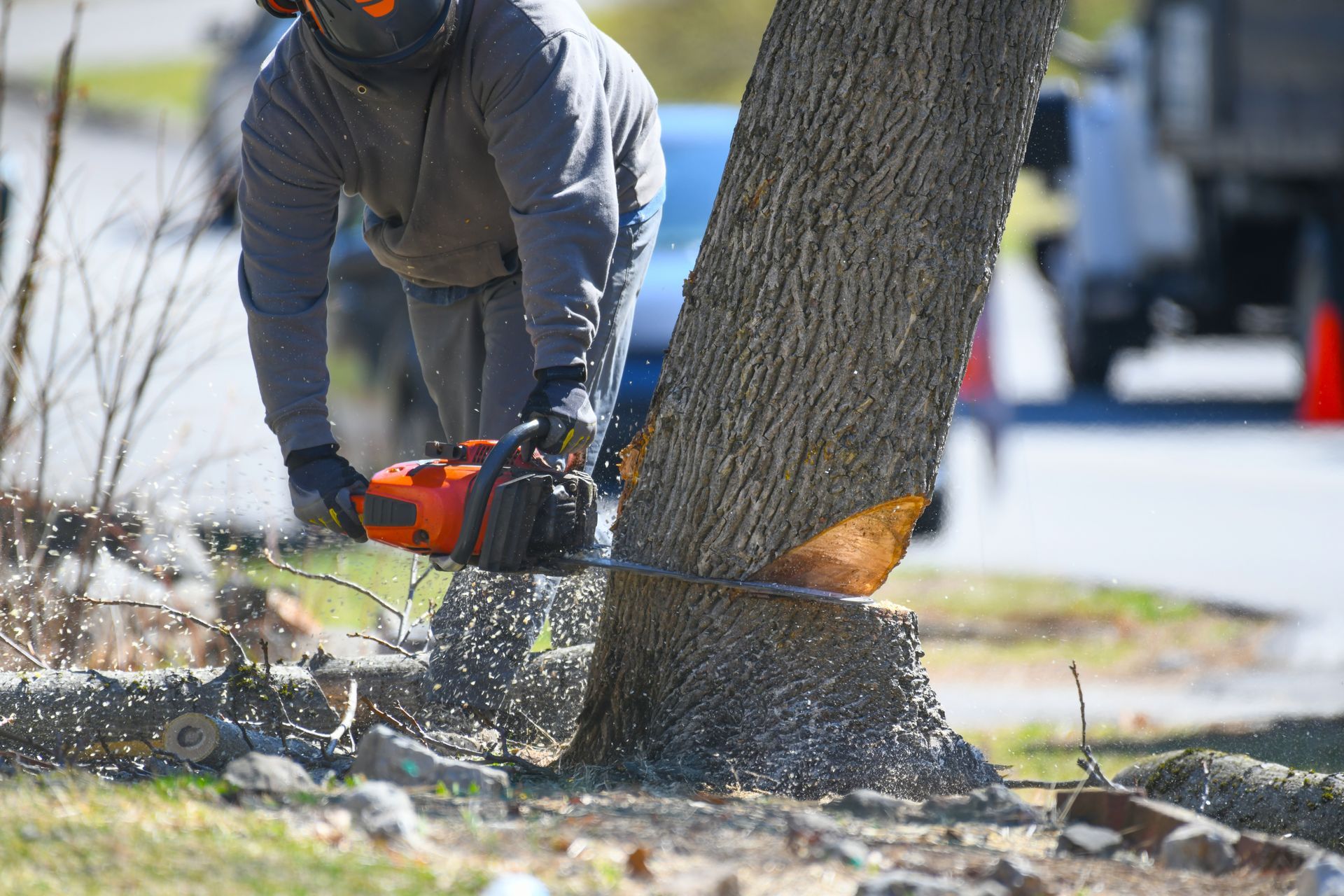
The crew begins by clearing the area below the tree and identifying anchor points for ropes and rigging. Larger trees are removed in sections starting from the top, with each cut planned to control the direction and speed of descent. Tight spaces between homes or near fences require piecing the tree down in smaller sections, while open areas may allow larger drops when ground impact can be managed safely.
After the tree is down, you'll notice the removal of all wood debris, including branches and trunk sections, hauled off the property the same day. The site is cleared of sawdust and bark, leaving the ground level and ready for either stump grinding or immediate landscaping. Properties no longer face the risk of the tree failing during the next storm, and obstacles blocking sunlight or views are eliminated.
The service includes all labor, equipment, and debris removal but does not automatically include stump grinding unless requested. Some removals require utility coordination if branches have grown into powerlines, which adds time to scheduling but ensures safe clearance before cutting begins.
Questions About Removing Problem Trees
Property owners in Spring often ask about timing, costs, and what the removal process involves before committing to the service.
What determines whether a tree should be removed or can be saved?
Trees with decay covering more than 30 percent of the trunk, severe root damage, or large dead sections in the canopy typically cannot recover and pose failure risks during high winds common in Southeast Texas.
How does removal work when the tree is close to my house?
Crews use rigging systems to lower sections vertically rather than letting them fall, with ropes anchored to stable points that redirect each piece away from the structure as it's cut.
What happens to the wood after the tree comes down?
All trunk sections, branches, and debris are loaded and hauled off the same day, leaving your property clear without requiring you to manage disposal.
When is the best time to remove a damaged tree?
Removal should happen before the next storm season once structural damage is identified, as waiting increases the chance of uncontrolled failure that causes property damage or injury.
Does the service include grinding the stump left behind?
Stump grinding is a separate service that can be scheduled immediately after removal or at a later date, depending on whether you need the area cleared for landscaping or construction.
JSR Tree Service provides detailed estimates based on tree size, location, and site access conditions. Request an evaluation to receive a timeline and cost breakdown specific to the trees you need removed.