Sites That Drain Properly After Heavy Rain
Dirt Work in Spring for properties with recurring water pooling and uneven ground
JSR Tree Service performs land grading and leveling across Spring and surrounding Montgomery and Harris County properties where poor drainage creates standing water after storms. This work reshapes soil surfaces to redirect runoff away from structures and low-lying areas. Properties with clay-heavy soil composition, common throughout this region, often develop pooling issues that grading resolves by establishing proper slope.
The process involves moving and redistributing soil to create grades that guide water toward drainage points rather than allowing it to collect near foundations, driveways, or landscaped areas. Grading also levels uneven terrain for construction preparation, driveway installation, or landscape projects where a stable, uniform surface is required.
Schedule a property evaluation to identify specific drainage concerns and grading requirements for your site.
What Proper Grading Accomplishes on Your Property
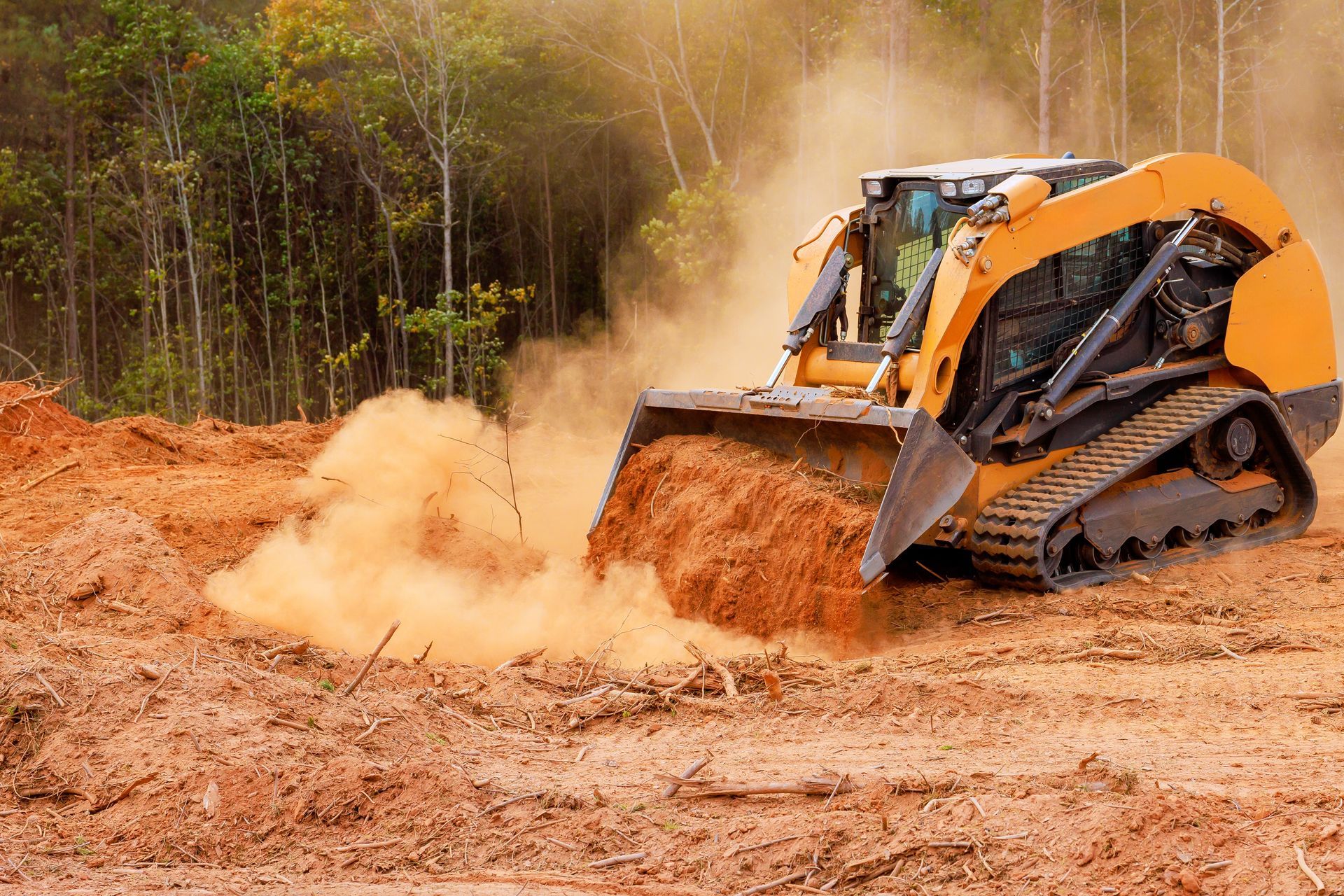
Grading work establishes a deliberate slope across your property, typically a minimum of two percent grade away from structures to prevent water from moving toward buildings. Equipment moves soil from high points to fill low areas, then compacts and smooths the surface to create a stable base that resists erosion and settling over time.
After the work is complete, you notice water flowing away from foundations and hardscapes during rainfall instead of pooling in place. Areas that previously stayed muddy for days after storms dry faster because the graded surface no longer traps runoff. The leveled ground also provides a uniform base for driveways, patios, or landscaping installations that require consistent elevation.
Grading addresses the underlying topography issue but does not replace drainage systems like French drains or catch basins in cases where subsurface water movement or severe runoff volume requires additional infrastructure. The scope depends on your property's current slope, soil conditions, and how water currently moves across the site.
What Property Owners Usually Ask
These questions come up frequently before grading projects begin in the Spring area.
What preparation does my property need before grading starts?
The site should be cleared of large debris, vegetation, and obstacles that interfere with equipment access. If the property has existing structures or utilities, those locations need to be marked to avoid damage during soil movement.
How does grading help with drainage problems specific to this region?
Montgomery and Harris County properties often sit on clay soils that drain slowly and compact unevenly, creating low spots where water collects. Grading removes these depressions and establishes slopes that move water off the property faster than the soil can absorb it.
What happens to the soil that gets moved during grading?
Soil from high areas fills low spots to create the desired grade. If excess soil remains after leveling, it can be redistributed elsewhere on the property or removed depending on the project scope and your preferences.
When should I schedule grading work?
Grading is easier and more effective when the ground is dry enough to compact properly but not so dry that dust becomes unmanageable. Late spring and early fall typically offer the best conditions, though scheduling depends on weather patterns and project timelines.
What can I use the graded area for once the work is finished?
A properly graded and compacted surface is suitable for construction foundations, driveway installation, landscaping, or simply as usable yard space. The surface needs time to settle before heavy construction begins, especially if significant soil movement occurred.
JSR Tree Service works with residential and commercial property owners to prepare sites for development and resolve drainage issues that affect property usability. Contact us to discuss site preparation needs and arrange an on-site consultation for your Spring property.